
iPhone 13 Screen Replacement: Everything You Should Know
The iPhone 13 Screen Replacement process is something many owners eventually face, whether due to accidental drops, pressure damage, or display faults that develop over time. Although the iPhone 13 is known for its high-quality OLED screen, it is not immune to cracks, touch issues, or complete display failure. Understanding how screen replacement works — and what happens to the original screen afterwards — can help you make informed decisions when damage occurs.
At LCD Buyer, we regularly deal with iPhone 13 screens that have been removed during repairs or device dismantling. From lightly cracked glass to fully non-functional OLED panels, we see the full lifecycle of these displays and understand their ongoing value.
Understanding the iPhone 13 Display
The iPhone 13 features a 6.1-inch Super Retina XDR OLED display. Unlike older LCD screens, OLED technology allows each pixel to emit its own light, resulting in deeper blacks and better contrast. However, this also makes the display more sensitive to damage.
When impact occurs, the outer glass may crack while the OLED panel underneath continues to function. In other cases, the OLED itself fails, causing black spots, flickering, green lines, or total image loss. These distinctions are important when assessing whether iPhone 13 Screen Replacement is required or whether the screen is suitable for parts resale.
Common Problems That Lead to iPhone 13 Screen Replacement
Screen damage does not always come from dramatic accidents. Minor drops, repeated pressure, or everyday wear can all contribute over time.
Drops remain the most common cause. Even short falls can result in spider-web cracks if the phone lands face-down or on a corner. Pressure damage is another frequent issue, especially when phones are carried in tight pockets or bags. Sitting with a phone in a back pocket can stress the OLED panel without immediate visible damage.
Liquid exposure can also affect the display. Although the iPhone 13 has improved water resistance, moisture can enter through existing cracks, eventually causing touch issues or complete display failure.
Signs You May Need an iPhone 13 Screen Replacement
Not all screen faults are immediately obvious. Some worsen gradually and are often ignored until the phone becomes difficult to use.
Cracked or shattered glass is the most visible sign. However, delayed touch response, ghost touches, and unresponsive areas usually indicate deeper damage. Discolouration, vertical lines, or black patches typically point to OLED failure rather than surface glass damage.
Brightness inconsistencies are another warning sign. If certain areas of the screen appear dimmer or overly bright, iPhone 13 Screen Replacement is often the only long-term solution.
Can You Still Use an iPhone 13 With a Broken Screen?
Many people continue using their phone despite screen damage, particularly if touch functionality still works. However, this approach carries risks.
Cracked glass can cause cuts, while gaps in the screen allow dust and moisture to enter the device. Over time, what starts as a minor crack can lead to full OLED failure. At LCD Buyer, we often see screens that began with small damage but deteriorated rapidly.
How iPhone 13 Screen Replacement Works
Professional iPhone 13 Screen Replacement follows a precise process. The device is powered down and opened using specialist tools to prevent further damage. The display is disconnected from the logic board, and sensitive components such as the Face ID assembly are carefully transferred.
The replacement screen is then tested for colour accuracy, brightness, and touch responsiveness before the phone is resealed. When carried out correctly, the device should function as expected, including Face ID and True Tone.
DIY iPhone 13 Screen Replacement: Risks to Consider
DIY screen replacement has grown in popularity, but the iPhone 13 is particularly challenging to repair.
The OLED panel is thin and fragile, and incorrect removal can permanently damage the display. Apple devices are also tightly engineered, meaning small mistakes can lead to Face ID failure, display issues, or internal damage.
Many screens we receive at LCD Buyer come from failed DIY repairs. Although these screens may no longer be usable as full replacements, they often still retain value for parts.
Genuine vs Aftermarket Replacement Screens
Replacement screens generally fall into two categories: genuine and aftermarket.
Genuine screens are original Apple components and typically offer better colour accuracy and brightness. Aftermarket screens vary widely in quality. Some perform well, while others may suffer from reduced brightness or inconsistent touch response.
When a genuine screen is removed during iPhone 13 Screen Replacement, it is often worth more than aftermarket alternatives, even if damaged.
True Tone and Face ID After Screen Replacement
True Tone adjusts screen colour based on ambient lighting and relies on data stored in the original display. Without proper reprogramming, this feature may be lost after replacement.
Face ID depends on delicate sensors located near the screen. These must be transferred carefully during iPhone 13 Screen Replacement. Damage to this area can result in permanent Face ID failure.
What Happens to the Original iPhone 13 Screen?
Once a screen has been removed, many people assume it has no further use. In reality, this is rarely the case.
Even cracked or faulty screens contain valuable components. OLED layers, flex cables, and internal elements can often be salvaged or refurbished. Selling removed screens to a specialist ensures they are reused or recycled responsibly.
At LCD Buyer, we purchase iPhone 13 screens in a wide range of conditions, including cracked glass, display faults, and non-functional panels.
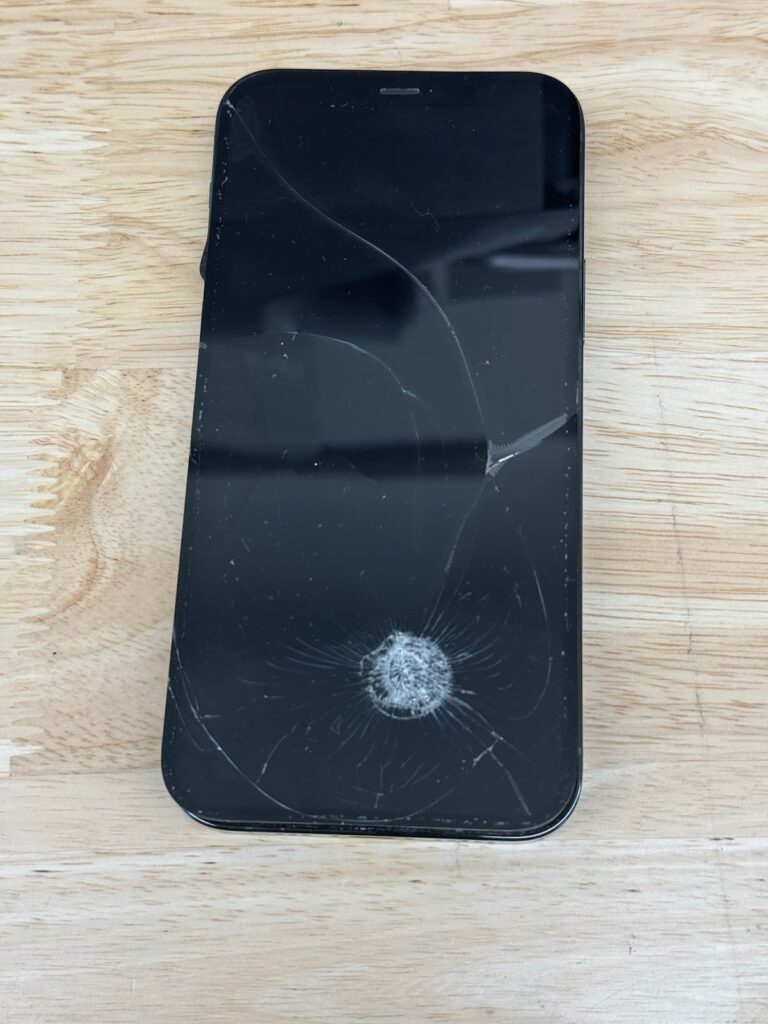


Why Broken iPhone 13 Screens Still Have Value
It is a common misconception that broken screens are worthless. In reality, iPhone 13 Screen Replacement creates opportunities for parts recovery and refurbishment.
Some displays can be restored by replacing only the glass layer. Others are dismantled for components that can be reused in future repairs. Even heavily damaged screens contribute to reducing electronic waste.
Environmental Benefits of Screen Recycling
Discarded electronics are a growing environmental concern. Recycling damaged screens reduces landfill waste and extends the lifecycle of valuable materials.
OLED displays contain components that require specialist handling. Selling removed screens ensures they are processed responsibly and reused where possible.
When iPhone 13 Screen Replacement May Not Be Worth It
In certain cases, screen replacement may not be financially viable. If the device also suffers from logic board damage or battery failure, repair costs can exceed the phone’s value.
In these situations, selling the device for parts or removing and selling individual components is often the better option. Screens are typically one of the most valuable parts.
Data Safety During Screen Replacement
Screen replacement does not usually affect stored data, as the display does not hold personal information. However, backing up your device before any repair is always advisable.
Unexpected issues can occur during
iphone 13 Screen Replacement, and having a backup provides peace of mind.
How Long Does iPhone 13 Screen Replacement Take?
Professional repairs are usually completed within an hour, depending on part availability. DIY attempts often take much longer and carry a higher risk of error.
Many screens sold to LCD Buyer originate from extended DIY repairs that did not go to plan.
Is iPhone 13 Screen Replacement Still Worth It?
Despite newer models being available, the iPhone 13 remains a capable and reliable device. For many users, screen replacement significantly extends its usable lifespan.
When replacement is not the right choice, selling the damaged screen ensures some value is recovered rather than wasted.
Final Thoughts
iPhone 13 Screen Replacement is not just about restoring usability. It also involves understanding costs, risks, and what happens to damaged components afterwards.
Whether you choose to repair your device or sell the removed screen, knowing your options helps you make informed decisions. From cracked glass to reusable components, very few iPhone 13 screens are truly worthless.