
A phone repair passcode can feel like a small ask that carries a lot of weight. We ask for it so we can test the repair properly, not so we can poke around in your life.
That matters after a screen swap, battery change or charging fix. A phone can look fine on the bench and still fail once it is unlocked and used normally.
We fix phones for people who need them back working, not half-working. So here is the plain reason we ask, and what we do with the code once you hand it over.
Why a phone repair passcode helps us finish the job properly
A locked phone can hide faults that only show up after proper use. We might fit a new screen, for example, but still need to check touch response, rotation, brightness and the sensors behind the glass.
The same applies to battery work. A fresh battery can charge well, then behave badly once the phone starts drawing power through apps, calls and background activity.
A passcode gives us a clean way to test the device as you would use it. That is the point. It helps us spot problems before the phone leaves the workshop.
| What we check | Why the passcode helps |
|---|---|
| Touch and swipe response | We can test the whole screen after a repair. |
| Face ID or Touch ID | We can see if the sensors still work. |
| Cameras, speakers and mic | We can open apps and run a proper check. |
| Charging and battery behaviour | We can spot faults that only appear after use. |
That final check saves a lot of back-and-forth later. A fault found in the workshop is easier to sort than one found in your kitchen when you are already late for work.
What we can check once the phone is unlocked
Some faults are obvious. A smashed display or dead battery does not need much detective work. Others are sneakier.
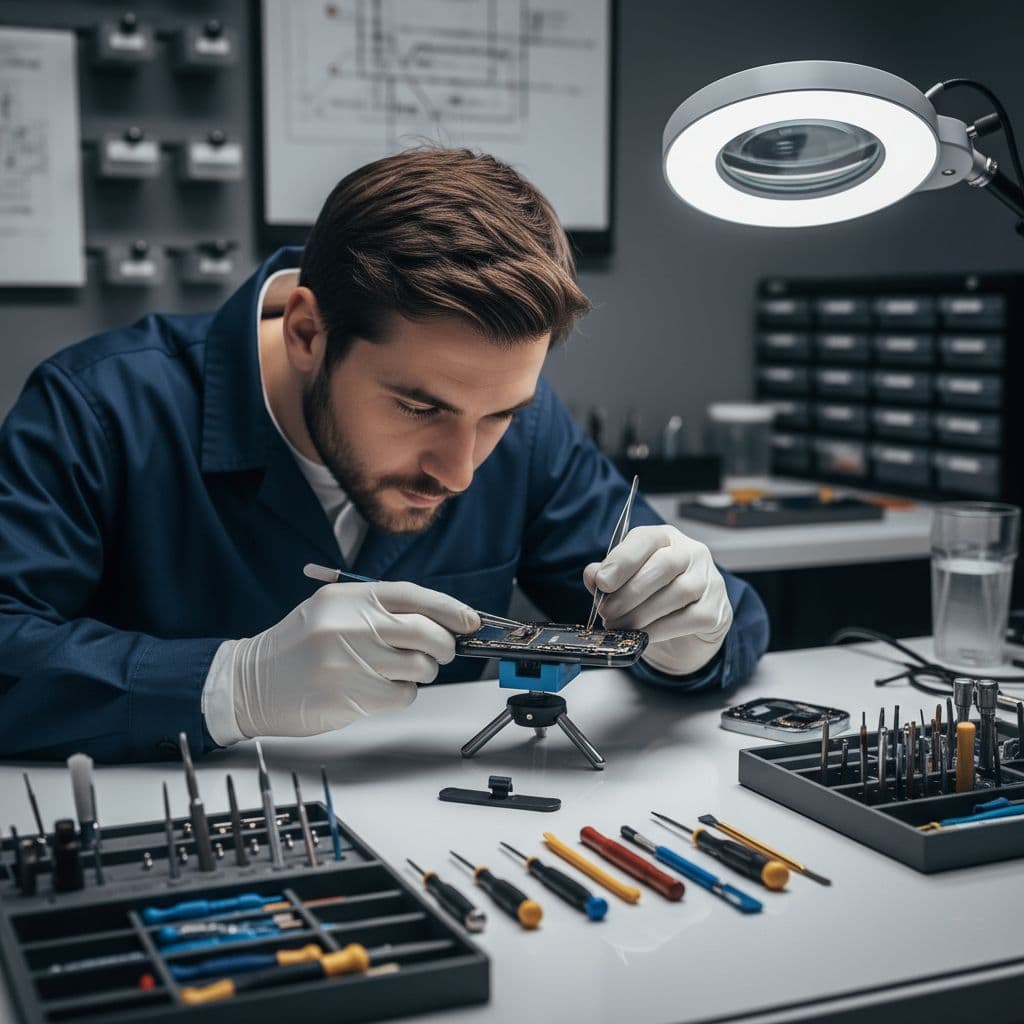
A screen can light up but still miss taps near one edge. A speaker can make a sound, but crackle once the volume goes up. A battery can look healthy on the charger, then drop fast after ten minutes of normal use.
That is why unlock access matters on more than one type of job. Across our mobile phone repair UK work, we use it to confirm the repair is complete, not just started.
A few checks we often run after unlocking are:
- opening the home screen and testing every corner of the display
- checking camera focus, flash and the front camera
- making sure calls, audio and the microphone all behave properly
- confirming that Face ID, Touch ID and other unlock features still work
- watching how the battery behaves under real use
We also see this on cracked iPhone screen repair jobs, where a replacement glass and display can look perfect but still hide a touch fault. On a tired battery, the passcode helps us see how the phone behaves after a full boot and normal use.
How we protect your privacy in the workshop
A passcode is a trust handover, so we treat it that way. We use it for repair checks and post-repair testing, and that is all.
We do not need your private messages to fix your phone. We need enough access to test the repair properly.
People worry about this for good reason. The question comes up again and again in places like a Tom’s Guide forum discussion about repair passwords and Reddit privacy threads about phone PINs. It is a fair concern.
We keep things simple in the workshop:
- We use the code only to complete diagnostics and testing.
- We do not need to open your messages, emails or banking apps.
- We do not need to scroll through your photo library.
- We recommend backing up the phone before any repair, just in case.
If you are still uneasy, say so before you book. We can talk through the fault, the likely checks and whether the passcode is needed for that specific job.
That matters on iphone battery replacement UK work and on samsung phone repair UK jobs too. A battery swap or screen repair may sound routine, but the final test is still part of the job.
For people local to us, phone repair Essex customers often choose a drop-in appointment in Harlow because it keeps the handover short and easy. If you are further away, the same privacy rules apply to postal work.
When the passcode matters most for iPhone, Samsung and postal repairs
We see it most often on screen repairs and battery swaps. On iphone screen repair UK jobs, the passcode lets us check the display from edge to edge, plus Face ID, brightness and touch response.
On iphone battery replacement UK jobs, it helps us confirm that the phone holds charge under normal use, not just when it is sitting idle on the bench. A battery that looks fine at first can still fall flat too quickly.
The same goes for samsung phone repair UK work. Samsung screens can show touch dead spots or odd behaviour that only appears after proper use. A phone might boot up perfectly, then miss taps when you start typing a message.
If you want a clear example of how we handle common faults, our professional iPhone screen and battery repairs page covers the usual jobs we see every day. That includes cracked displays, battery issues and charging faults.
Last week, we had an iPhone 12 come in with a shattered front panel and a dead patch on the lower edge. After the cracked screen repair, the passcode let us test every part of the touch screen, check Face ID and confirm the call speaker. Without that unlock step, we could have missed the fault until after collection.
For people who cannot get to Essex, our postal phone repair UK service works in the same way. If you want the process laid out step by step, our how to repair your iPhone by post page explains the route clearly.
A good postal repair usually follows a simple routine:
- Book the repair online and tell us what is wrong.
- Pack the phone securely so it cannot rattle about in transit.
- Include the order details we ask for.
- Add the passcode details if the repair needs testing after the fix.
We aim to start work as soon as the phone arrives, often the same day. We also use quality parts, back our work with a repair warranty and keep to our price promise. That keeps the whole process less stressful, which is handy when your only phone has just decided to give up.
A passcode should make the repair easier, not awkward
A phone repair passcode helps us test the job properly and hand the device back in good working order. It does not mean we need your private life, and it does not mean you should feel awkward asking what we are checking.
If you have a cracked screen, a tired battery or a stubborn charging fault, we can usually sort it with far less drama than replacing the whole phone. For phone repair Essex drop-ins, that often means a quick visit to Harlow. For everyone else, postal repairs are a straightforward option.
If you are stuck right now, book a repair online and send the phone over with the details we ask for. We will take it from there and get it sorted as quickly as we can.
James Waterston, Device Repair Specialist at Repair My Crack